Augmented reality (AR) technology company, Banuba, is changing the way people present themselves, but not in any traditional sense. The company now offers “virtual try-on technology to online stores,” letting retail customers “test cosmetics, and accessories with their electronic devices.”
The company announced it’s updated its virtual AI try-on platform, introducing new features including contact lenses try-on for its Shopify plugin, one-photo eyewear digitisation, and a more streamlined onboarding flow. By expanding its Shopify plugin, Banuba customers can now access coloured contact lenses, hair dye, and makeup.
One photo eyewear digitisation lets retailers create virtual glasses with a product photo helping cut production time so eyewear collections can hit the market more quickly.
As well as an improved onboarding, Banuba’s AI performance has also been tweaked, with accelerated processing and enhanced handling of bulk inventories. Art Polzunov, Product Director at Banuba, said: “Three things have kept virtual try-on from becoming a default for retailers: producing the assets, integrating into the storefront, and operating at catalogue scale. This release uses AI to remove all three. What used to require a dev team and a designer for every SKU now starts with a single product photo.”
Technology influencing consumers
In fashion, AI can help retailers improve business performance and customer experience with personalisation being a major driver, letting retailers tailor product recommendations. Additionally, businesses can detect counterfeit goods with AI-powered authentication tools, proving invaluable for resale platforms that handle large numbers of items.
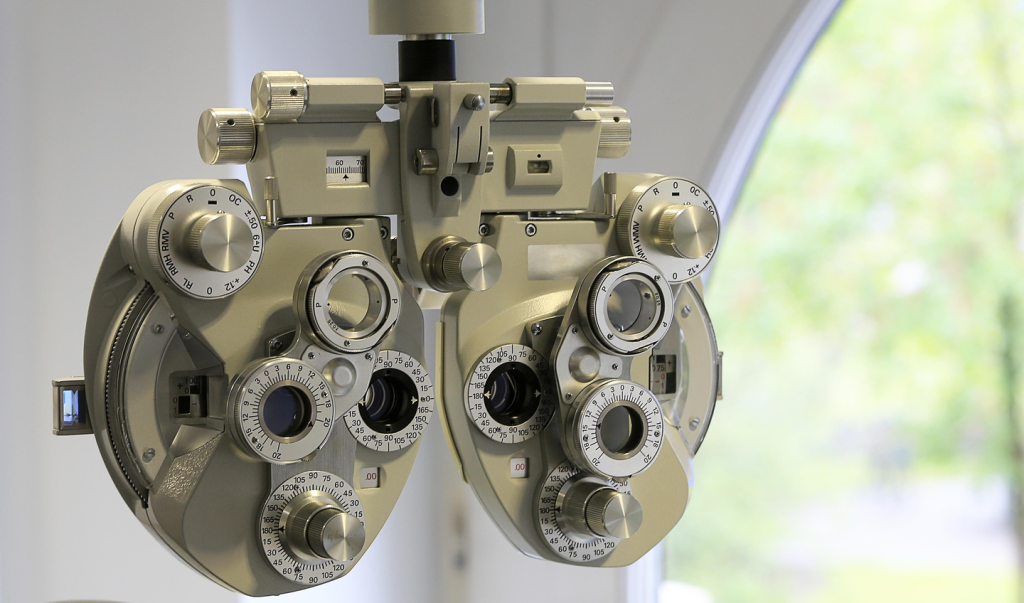
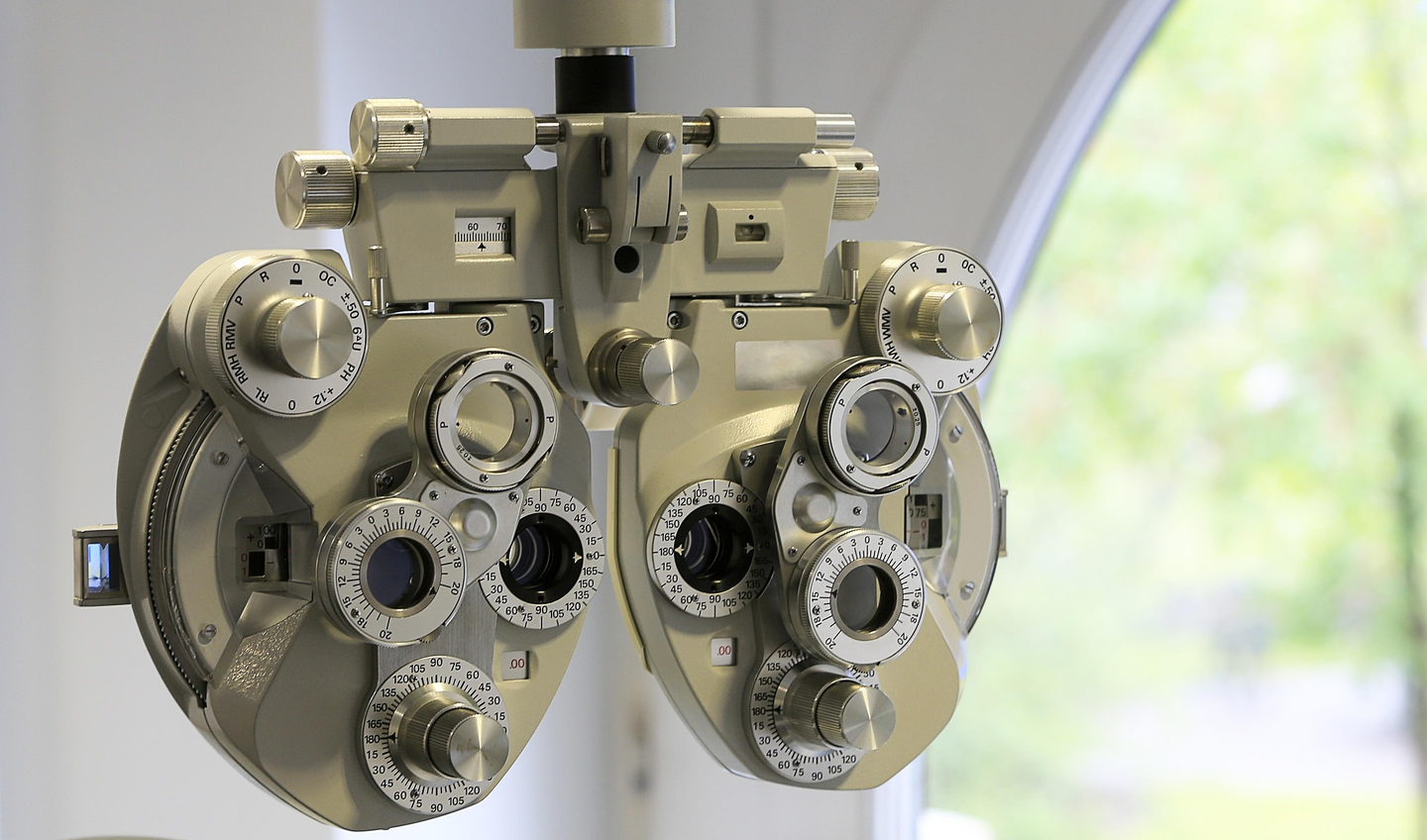
Opticians are a sector that has embraced AI heavily. Companies like Specsavers offer virtual try-on tools available through phone cameras, letting customers see how different frames will look on their face. Technology can even remove glasses that a customer is already wearing so they can see the new frames in their place. Face shape analysis tools are also beginning to appear, suggesting frames that suit a face shape.
Virtual try-ons
The plight of the high street is something we are all aware of as more consumers turn to the internet for shopping. AR and AI technology has been heavily blamed for this, but these tools are not new additions to the retail world, with companies implementing AI as far back as 2008. However, the advancement of AI technology means experiences are now more personalised and accessible than before, plus come at a much lower price than operating a physical, on-site store.
The high street is therefore evolving. Physical shops still offer customers things technology can not replicate, like a tactile experience and the social element, but the need to physically visit a shop is now reduced. While virtual try-ons let customers to see an item from the comfort of their own home, many still want confirm their decision with an in-person shopping experience.
(Image source: Pixabay, under .)

Find out more about the Digital Marketing World Forum series and register here.