When footage of Astronomer’s CEO and chief people officer at a Coldplay concert went viral last summer, it quickly spiralled from a lighthearted clip into a reputational crisis. In hours, global headlines framed the incident as a test of leadership and accountability. Astronomer’s communications team eventually defused the situation with a quick, transparent response, but the episode left a lesson for brands everywhere: in today’s media climate, silence creates more risk than clarity, and it can undermine trust.
MikeWorldWide’s (MWW) latest research backs this up. The firm found that 40% of communications professionals feel pressured to stay silent in moments that demand a response. To understand why transparency is becoming non-negotiable, Marketing Tech News spoke with Sarah Moloney, UK Managing Director at MWW.
Speed, clarity, and brand trust in the Astronomer case
The Astronomer incident highlighted how quickly reputational risks can spiral. “The Astronomer case illustrates the velocity with which reputational risks escalate in today’s always-on environment,” Moloney said. What started as “a funny moment at a concert quickly became a global headline, amplified by social platforms and the expectation of instant response.” For brands, quick responses aren’t just about damage control – they’re about showing audiences they can be trusted to act with transparency.
According to MWW’s research, 93% of communications professionals say they face challenges that carry reputational risks, with nearly a third citing misinformation and disinformation as top concerns. In that context, Astronomer’s choice to respond with a witty, socially attuned video resonated because it matched the expectations of its online audience.
Moloney explained that silence or hesitation leaves a vacuum for others to fill, usually to the brand’s disadvantage. She said: “Boldness and transparency are no longer optional but a strategic imperative. The Astronomer case is an example of how crises will move faster than internal bureaucracy, and as such, brands must be prepared to meet the moment with intent, clarity and courage.”
Why silence damages brands and erodes trust
So why do so many professionals still default to silence? Moloney pointed to a growing culture of risk avoidance. “The trend of staying silent reflects a risk-averse culture shaped by fear of missteps and ‘cancel culture’,” she said. Leaders are wary of backlash, especially around topics like ESG, politics, or cultural issues. Legal reviews and long compliance processes only add to the delays.

But silence is rarely neutral. “In a fragmented and fast-moving media environment, absence can quickly be interpreted as indifference or complicity,” Moloney explained. When cultural moments demand visibility – whether in support of employees, acknowledgement of audience concerns, or clarification of brand values – failure to engage can erode trust.
Stakeholders expect not perfect answers but accountability and humanity. “Risk-averse silence, while safe in the short term, leaves space open for competitors and critics,” she said. “Comparatively, measured, value-driven communication can strengthen resilience.”
How brands build trust through transparency
Moloney stressed that transparency must move beyond polished statements. “Our research shows that over half of professionals define transparency as rooted in ‘clear values, mission and purpose’,” she said. That means explaining decisions, acknowledging mistakes early, and ensuring consistency in every channel.
She gave the example of artificial intelligence. “We found that 70% of professionals say that AI-generated content feels ‘more consistent but less human’, yet only 25% associate disclosing AI use with transparency. Closing that gap requires proactive disclosure, rather than waiting until criticism forces the issue.”
Transparency also depends on timeliness. “Brands can no longer hide behind lengthy approval cycles when misinformation spreads in minutes,” she said. Instead, they should share what they know, admit what they don’t, and commit to updating stakeholders as situations unfold. Pairing this with empathy and alignment between internal and external messaging ensures employees act as credible ambassadors.
Ultimately, transparency is the foundation on which trust between brands and their stakeholders is built.
Breaking down internal barriers
MWW’s research showed that 84% of brands cite internal barriers to quick responses. Moloney identified three main culprits: lack of resources, leadership indecision, and compliance bottlenecks. “The delays, while often designed to manage risk, often end up compounding it by leaving brands silent during important moments,” she said.
Leaders can help by decentralising approvals, streamlining compliance, and offering training so teams feel confident under pressure. “Better resource allocation is an equally important top-down action,” she added, pointing to data that shows 36% of professionals see resource gaps as their biggest obstacle.
For Moloney, leadership’s role is to create the conditions for decisive action: “Brands that want to keep pace must see boldness as a strategic imperative, not a reputational gamble.”
Supporting leaders under pressure
With 91% of professionals flagging leadership indecision as a major communication risk, Moloney sees PR teams as essential in guiding executives. “PR teams have a vital role in strengthening leadership responses to reputational risk,” she said.
The first step is reframing bold communication. “Where many executives see bold communications as exposure, communications professionals can demonstrate that consistency in communications builds resilience, reducing long-term vulnerability.”
Preparation is key – data-driven insights, from predictive analytics to cultural trend monitoring, can show that responses are informed, not reactive. Moloney also stressed the value of rehearsal: “Controlled rehearsal environments, like crisis simulations, allow leaders to experience the pace and intensity of reputational threats before they unfold, building both confidence and muscle memory.”
Adapting playbooks for external risks
From geopolitical tension to disinformation campaigns, external risks can’t be eliminated – but they can be anticipated. “Brands must instead plan for more unpredictable risks, which involve multiple, overlapping and continuously evolving pressures,” Moloney said.
Flexible, scenario-based playbooks can help. This should map possible flashpoints, provide value-led frameworks, and include protocols for rapid fact-checking and coordination. Beyond this, she highlighted the importance of resilience: “Investing in employee advocacy, cultivating trusted third-party voices, and maintaining consistent messaging in owned channels provides support when external pressures spike.”
Building trust and relevance for brands
Crisis response is only half the challenge. Staying relevant in a social environment where conversations shift by the hour requires systems, not scrambles. “With 72% of professionals finding audience fragmentation makes consistent messaging harder, maintaining relevance has become a continuous capability,” Moloney said.
This requires data and agility. Real-time monitoring tools, cultural analysis, and predictive modelling allow brands to anticipate rather than react. Adaptability in platforms ensures consistency without losing identity.
Innovation also matters, from exploring new platforms to using creative technologies. But Moloney warned that this requires investment and leadership conviction: “52% of communications professionals cite budget constraints as a key obstacle to greater relevance and impact, underscoring the need for leadership to resource PR and marketing teams adequately.”
Ultimately, she said, “The brands that succeed will be those that embed cultural agility into their daily operations. By treating responsiveness as a system rather than a scramble, they will be equipped not only for crises but for the everyday conversations that shape reputation.”
The bottom line
The Astronomer case may have started as a moment of levity, but it became a test of how brands respond when the spotlight turns sharp. For Moloney, the lesson is clear: transparency, speed, and courage are no longer optional. Silence might feel safe, but in the long run, it leaves brands exposed.
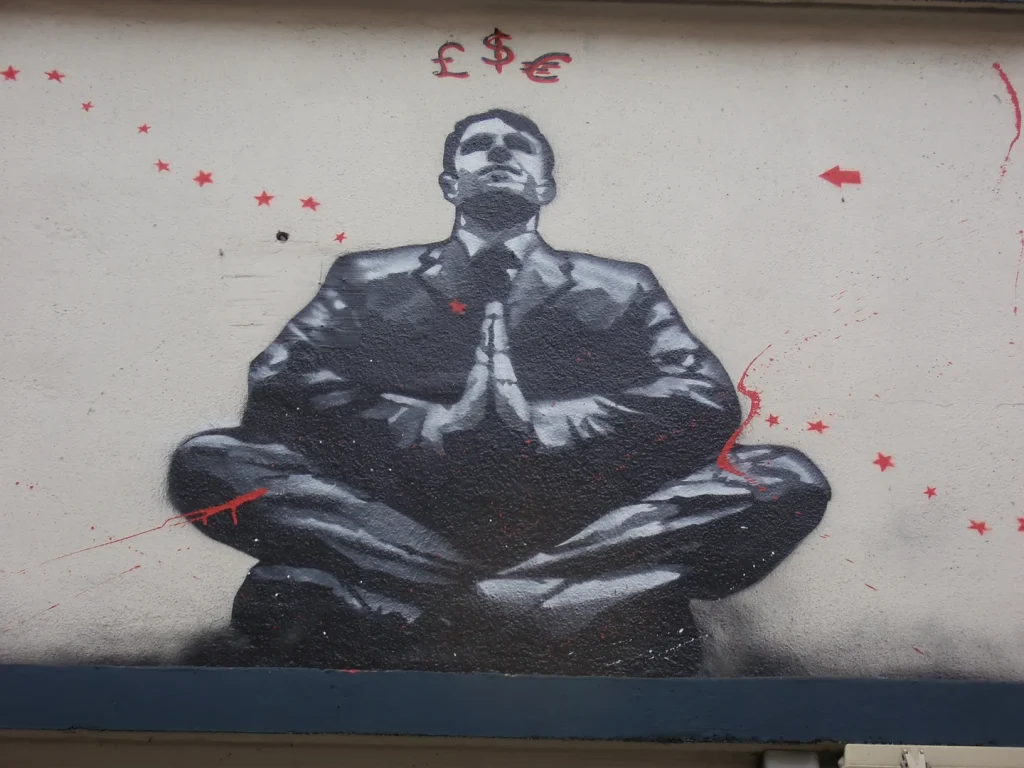
(Photo by Dave Lowe)
See also: Social media is the centre of every marketing strategy

Want to experience the full spectrum of enterprise technology innovation? Join TechEx in Amsterdam, California, and London. Covering AI, Big Data, Cyber Security, IoT, Digital Transformation, Intelligent Automation, Edge Computing, and Data Centres, TechEx brings together global leaders to share real-world use cases and in-depth insights. Click here for more information.
TechHQ is powered by TechForge Media. Explore other upcoming enterprise technology events and webinars here.